

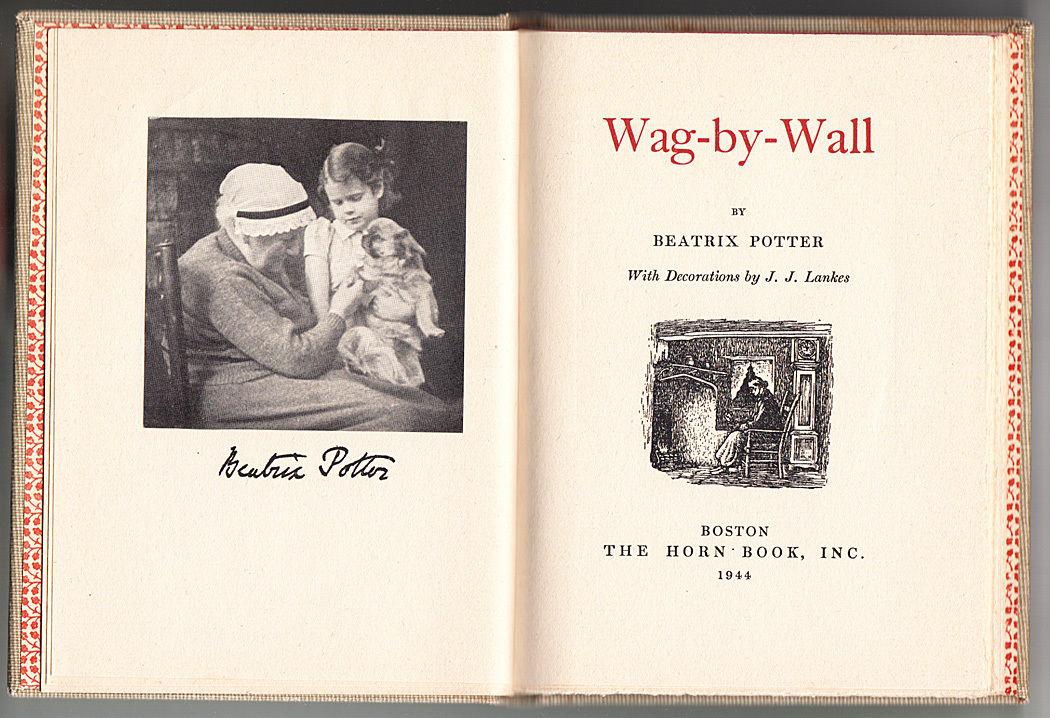
In the winter of 1943, an elderly woman sat by the fire in a Westmorland farmhouse, her hand steady despite the "smudge" of her failing eyesight. Beatrix Potter was 77 years old, and she was finishing her final gift to the world—a story that had been tucked away in her mind for over thirty years.
Wag-by-Wall was published in 1944, just months after Beatrix passed away. It didn't emerge from the busy halls of London, but through a long-distance friendship with Bertha Mahony Miller in Boston. It was a story Beatrix had refined since 1909, stripping away the "nursery charms" of her earlier work to leave something vigorous, salty, and true to the rugged life she lived as Mrs. Heelis.
The Clock and the Hearth
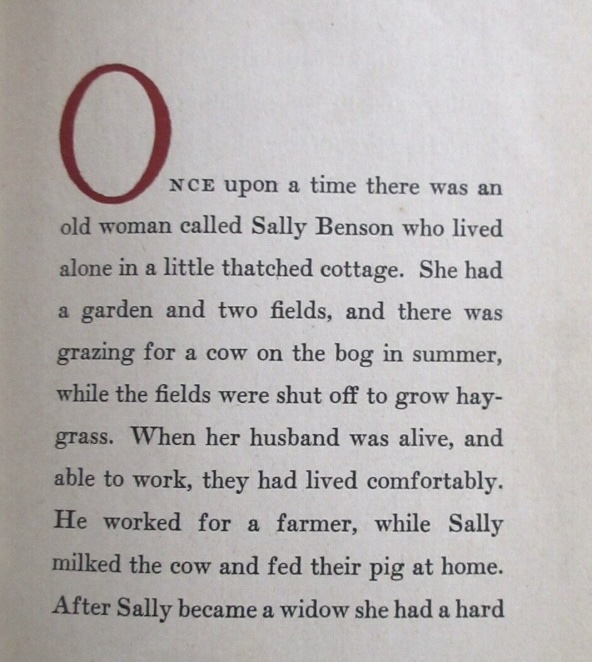
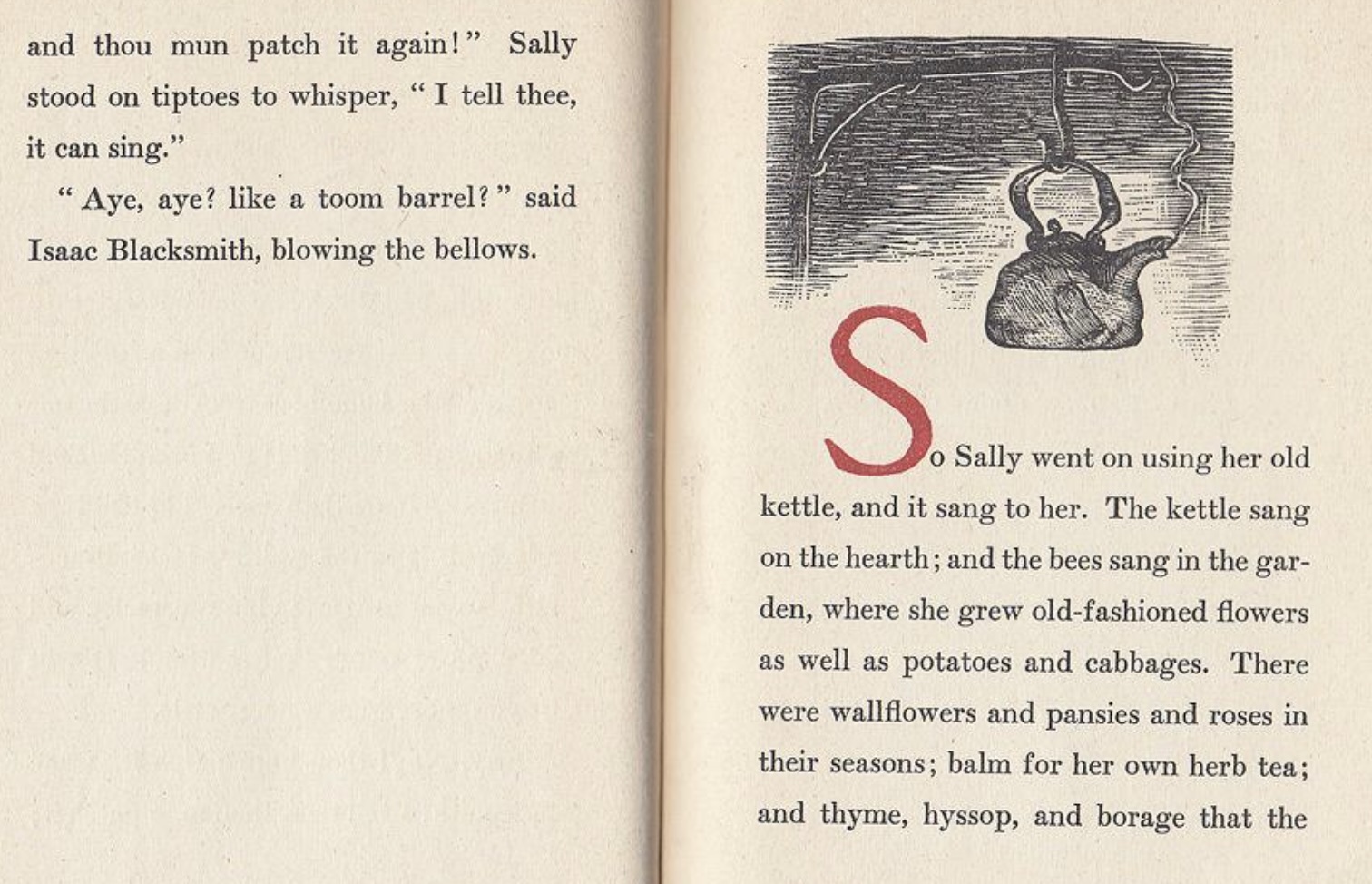
The story follows Sally Benson, a lonely woman living in a small cottage, whose only companion is a "Wag-by-Wall" clock—an old pendulum clock that hangs on the kitchen wall. Sally is poor, and as her last remaining resources dwindle, she fears she will have to sell the clock to survive the coming winter.
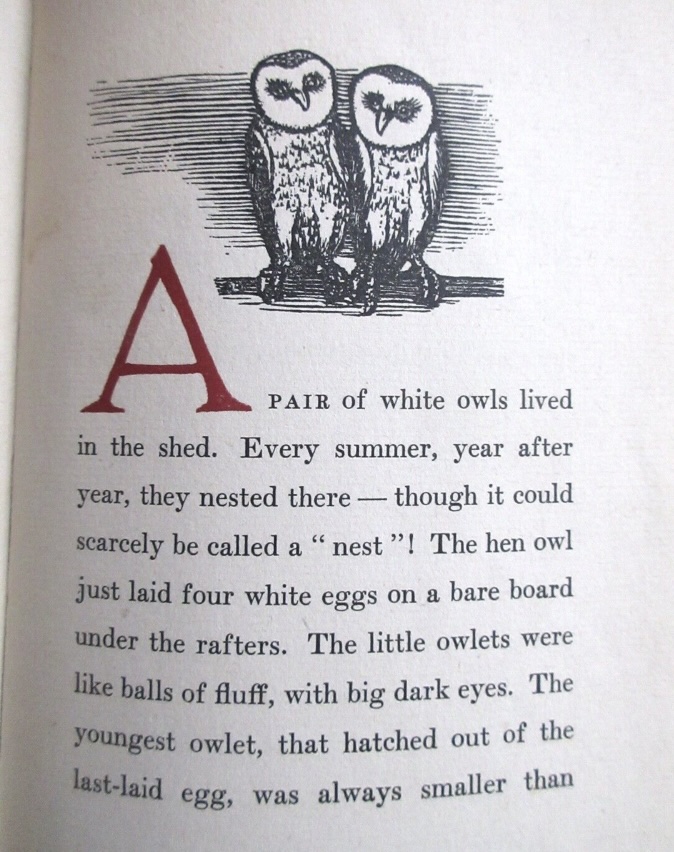
But Beatrix Potter, ever the observer of the natural world, knew that life has a way of hiding its treasures in the dark. An owl—a creature Sally has kindly sheltered in her shed—accidentally falls down the cottage chimney. In its struggle, it dislodges an old stocking hidden long ago by Sally’s grandfather, spilling gold pieces into the hearth. It is a "staying power" of a different kind: a reminder that the resources for our survival often exist within our own history, just waiting for the right moment to be shaken loose.
The Quiet Rhythm of the Kitchen
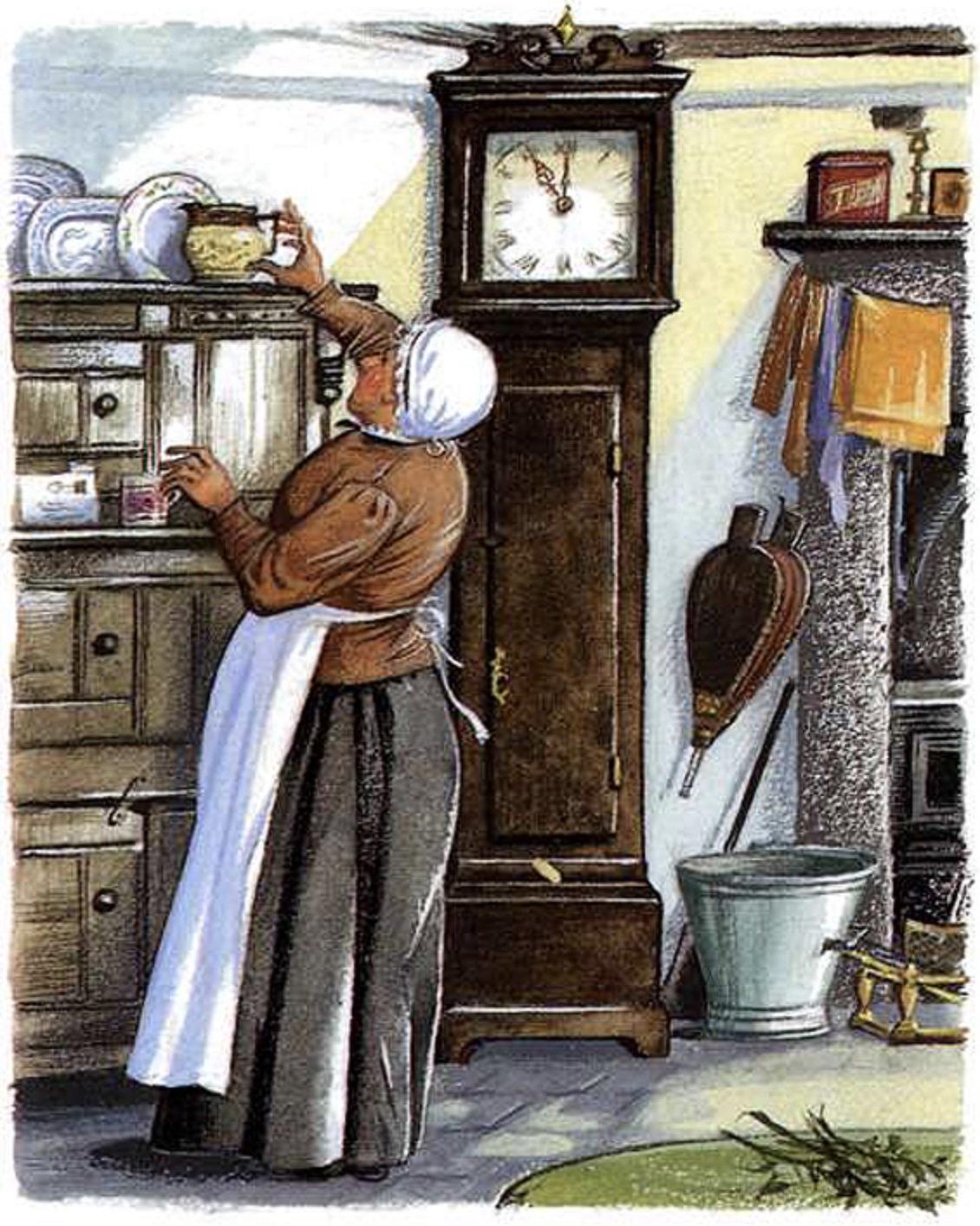
There are no frantic woodland chases here, only the quiet hours when the fire burns low and the old stone house settles. It is a story grounded in the realities of a hard frost and an empty purse, yet it ends wrapped in absolute, unshakable comfort. Reading it offers a rare moment of steadying rest—a feeling like being handed a warm cup of tea on a bitter afternoon. It moves at the reassuring pace of the old pendulum clock on the wall, reminding you that magic hasn’t vanished from the world at all—it’s just tucked away in the quiet corners of old rooms, waiting to be found.
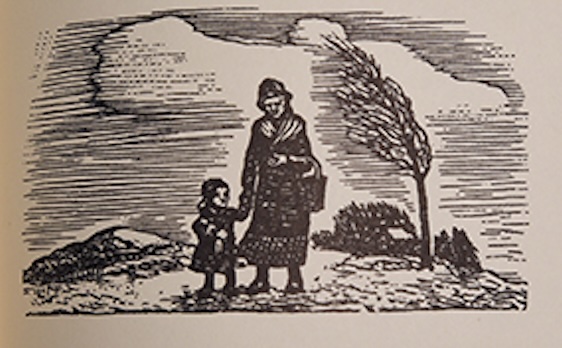
A Quiet "Happily Ever After"
The comforting conclusion of Beatrix Potter's final tale
Credit: Pepperdine Library
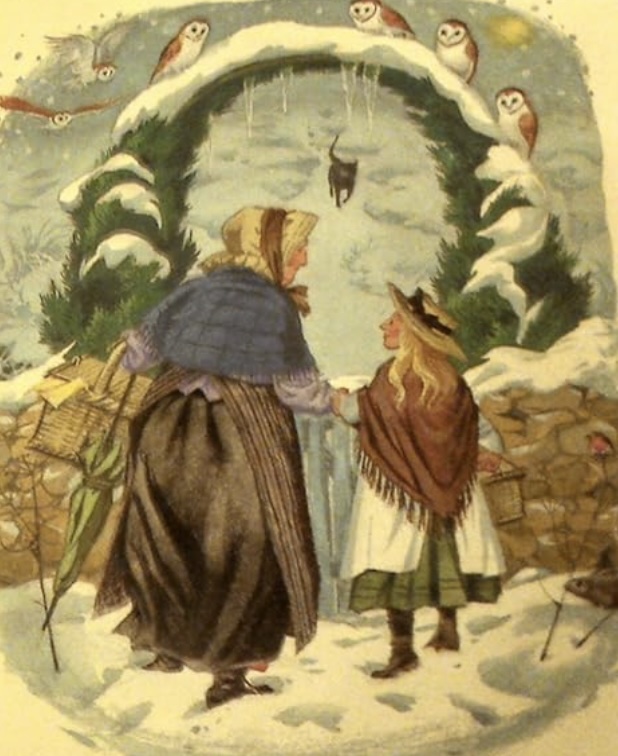
The colored version of the same ending
📂 The Archivist’s Drawer
Hidden details for the collector and the historian.
- A "Pendant" to Gloucester: Beatrix originally envisioned this story as a companion piece or "pendant to The Tailor of Gloucester, the old lonely man and the lonely old woman." However, the story stalled for years because she felt "the kettle was obstinately dumb."
- The Fairy Caravan Connection: At one point, she wove this tale into the manuscript for The Fairy Caravan, but ultimately omitted it before publication, saving it instead for a later date.
- The 35-Year Wait: Conceived around 1909, Beatrix held onto the story for over three decades. Its authenticity is rooted in her own life—she herself owned an ancient clock just like Wag-by-Wall, ticking quietly in her Westmorland farmhouse.
- The Boston Connection: We only have this book because of Beatrix’s friendship with the American publisher Bertha Mahony Miller. Beatrix sent it to her as a gesture of appreciation, and it first appeared in the Horn Book Magazine in the US.
- Posthumous Release: Published in 1944, this was the first book the world read after the author’s death, making it a "closing chapter" for the original Little Books.
- Woodcut vs. Watercolor: The original 1944 edition featured bold, black-and-white woodcuts by Julius J. Lankes, reflecting the austerity of the war years.
Finding the Edition
- The Modern Classic: For a library that favors warmth, seek out the 1987 edition illustrated by Pauline Baynes. Her watercolors bring a soft, pastoral glow back to Sally’s cottage, making the "miracle" feel as bright as a Christmas morning.
- The Heritage Copy: Book collectors should look for the slim 1944 Frederick Warne first edition. It is a tangible link to a world in transition, printed just as the old era was fading.
Let the heartbeat of the wall and the safety of the hearth bring a sense of peace to your library tonight.
Leave a Visiting Card
Consulting the visiting cards...