One Woman.
Three Worlds.
The Artist & Naturalist
Witnessing the hidden world
The Storyteller
Where wonder meets the wild
The Farmer & Steward
Champion of the working fells
Welcome to the Sanctuary
of Beatrix Potter
A quiet place to wander through the whole life of Beatrix Potter.
Discover the artist, the storyteller, and the visionary farmer who lived far beyond the pages.
Beatrix Potter didn't just write tales; she witnessed the world with the precision of a scientist and the eye of an artist.
She was a naturalist, a farmer, and a pioneer of the land—a woman whose life ran much deeper than the watercolours suggest.
Here, her tales live alongside the landscapes, the science, and the farming life that made them.
This is a sanctuary for her memory. A place to look closer.
Beatrix Potter (1866–1943) believed that nothing in nature was too small to be worthy of study. We follow her lead.
Select a path below to begin your journey
Beatrix Potter - The Woman Behind the Tales
A journey from a quiet nursery to the wild fells.
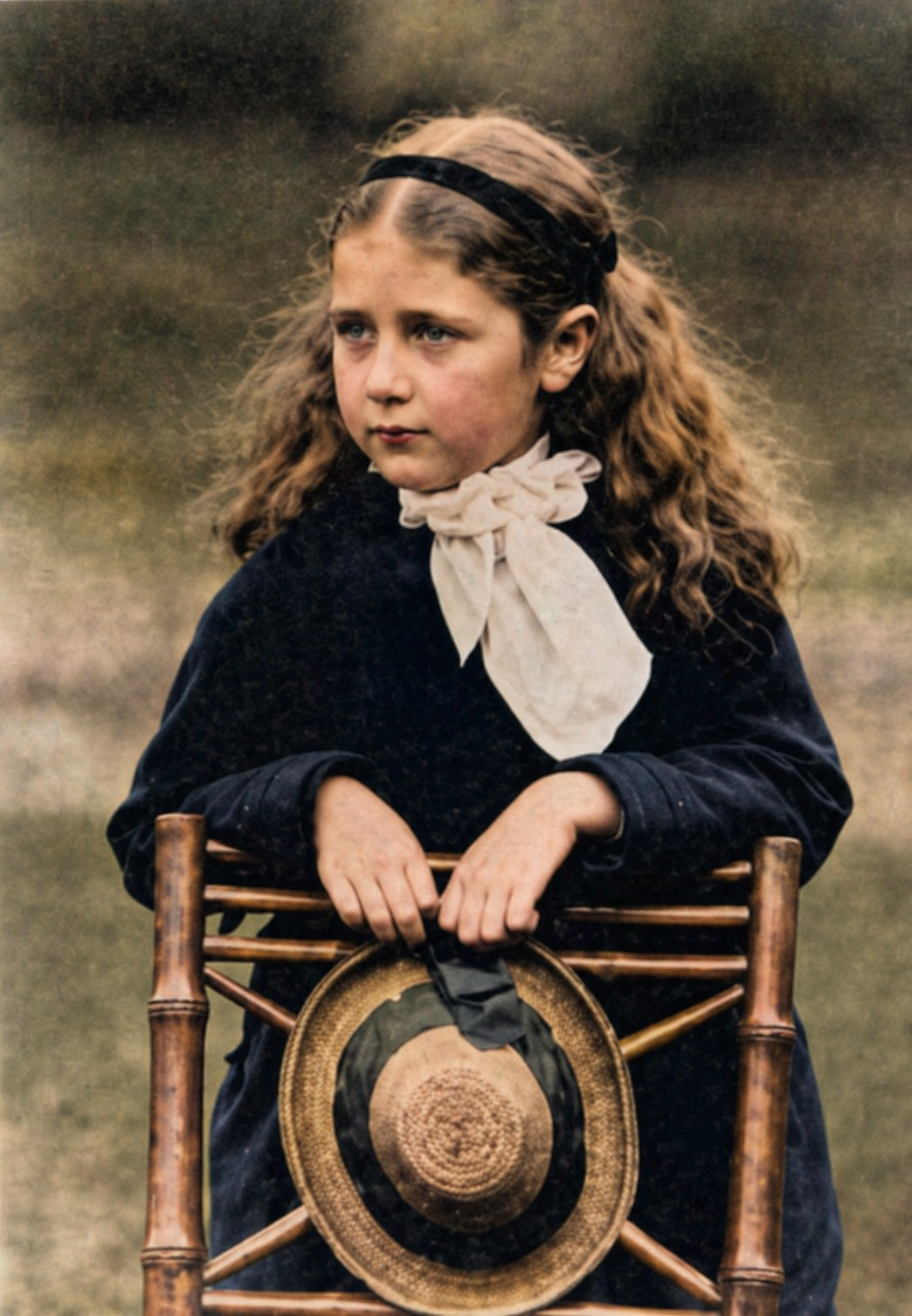
Most of us know Beatrix Potter as the creator of the "little books" we read in childhood. But her life was much larger than the pages, and far more layered than the soft watercolors suggest.
Beatrix spent her childhood confined to the nursery of a tall London townhouse. It was a world of rigid Victorian rules, where children were meant to be seen rather than heard. But she found a break from this quiet every year with the family’s annual tradition of three-month trips to the North—as was the custom of wealthy Victorians. These were long, wild summers spent residing at grand holiday estates, first in the woods of Scotland and later among the fells (the rugged mountains and hills) of the Lake District.
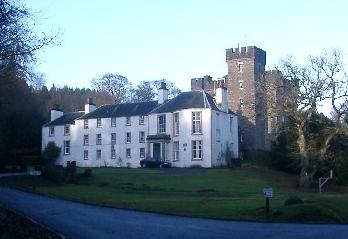
Dalguise House, Scotland
The estate where the Potters spent summers, 1871–1881
In this freedom, Beatrix and her younger brother Bertram became constant partners in naturalist exploration. They spent their youth filling secret sketchbooks with the "tiny things" they observed in the wild and smuggled back to their London nursery, building a hidden world of their own that the rest of the house never truly saw.
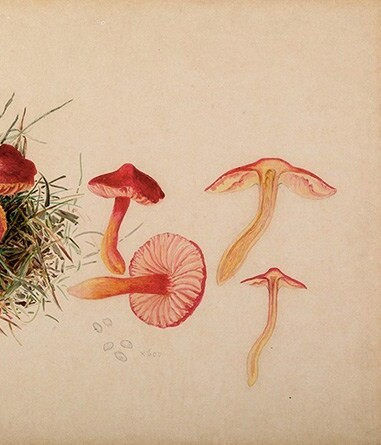
Throughout her 20s and 30s, Beatrix became a meticulous self-taught mycologist (a scientist who studies fungi), detailing the secrets of fungi across 300 beautiful watercolors. She submitted her pioneering research to the Linnean Society, but in keeping with the era's customs, she was forced to do so through her uncle. Even then, her findings were ultimately rejected and not taken seriously. Yet her work was so accurate that decades later, these drawings remain a scientific benchmark for mycologists today.
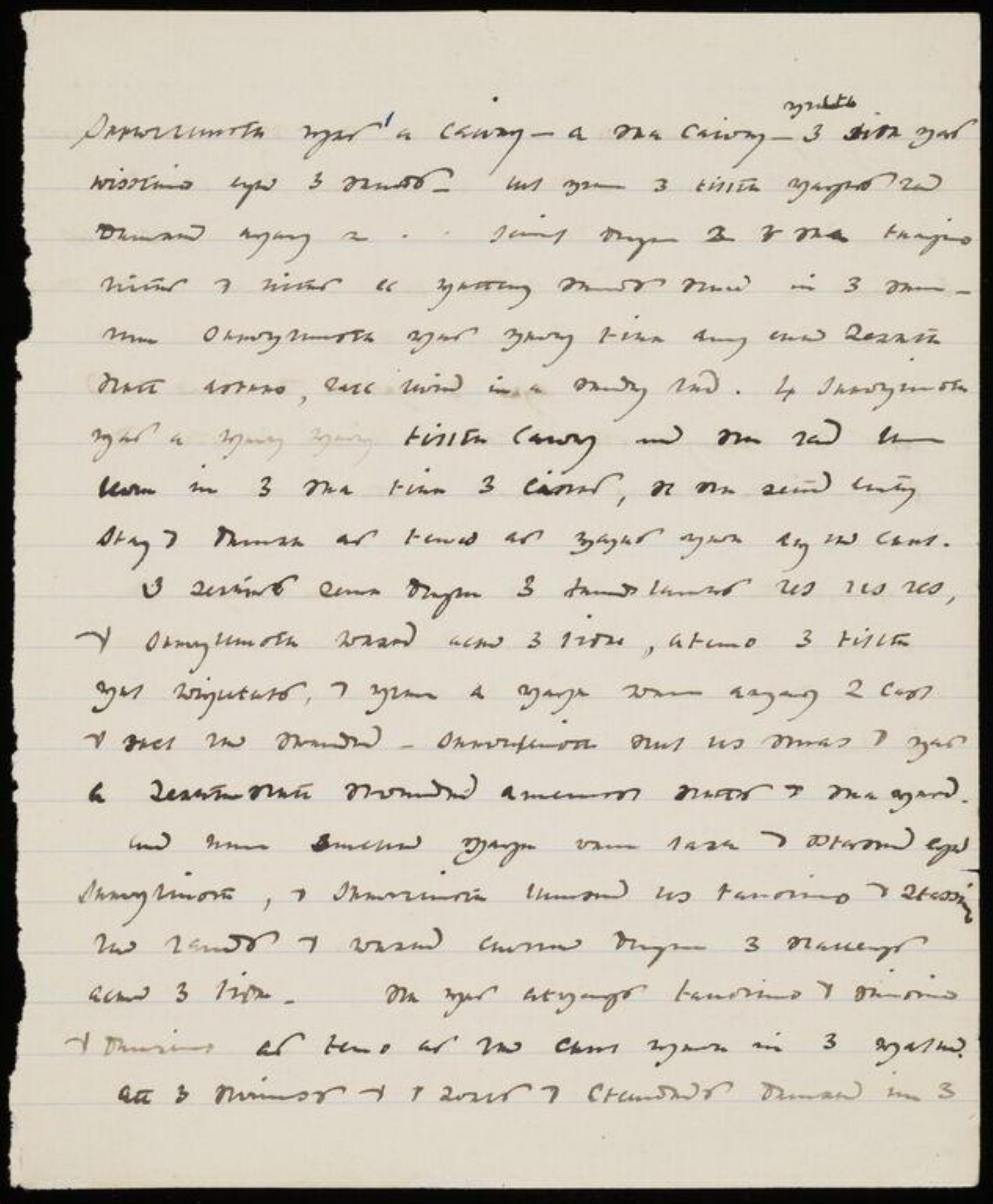
The Secret Code
Journal written in substitution cipher
It was during these same years, from age 14 to 30, that she had also been meticulously keeping a massive personal journal written in a coded script of her own invention—a substitution cipher so skillfull it took a researcher six years just to crack, and a further seven to transcribe. These journals eventually gave us a glimpse into her sharp, critical observations of politics, society, and the art world during the Victorian era, revealing a sharp, dry wit and a character that remained entirely her own. She finally set the secret code aside at age 30, just as her life reached a turning point.
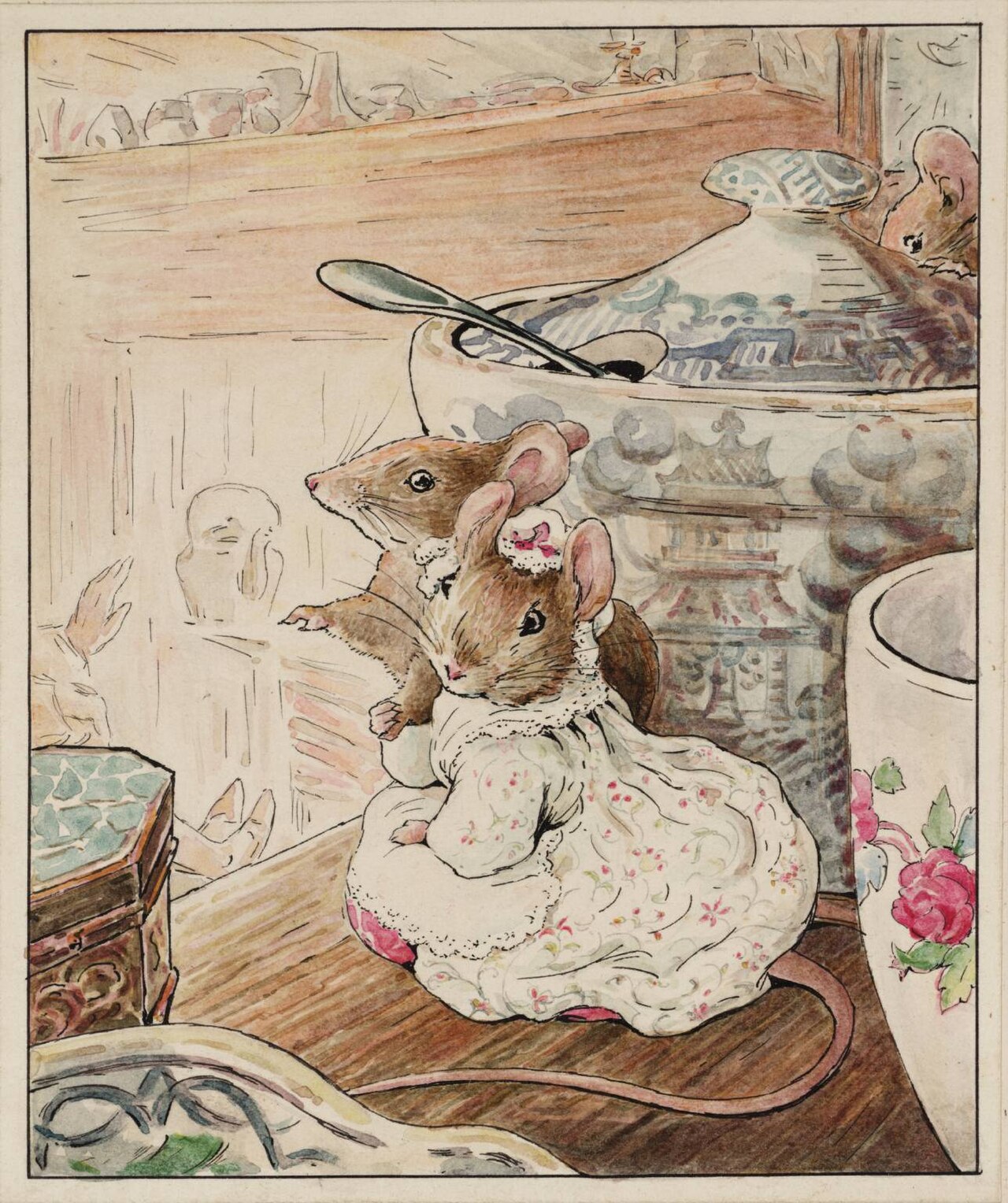
The Little Books
The Tailor of Gloucester, p. 38
Ever resilient, and with the scientific path now closed, she turned her naturalist’s eye toward storytelling. As she entered her 40s, her scientific eye and artist’s hand gave the tales of Peter Rabbit and his friends a startling, lifelike accuracy rarely seen in children’s stories.
These stories ended up serving as far more than charming fables; they became her engine of financial independence. In an era that expected her to remain a dutiful, unmarried daughter, her books gave her the hard-won means to finally leave London and find her true home at Hill Top Farm in the Lake District—a sanctuary she could initially only visit for precious, fleeting periods.
In her 50s and beyond, Beatrix shed her author persona almost entirely and became Mrs. Heelis, farmer. Not a gentlewoman with a hobby farm, but a working farmer taken seriously by her peers in one of England's most demanding landscapes.
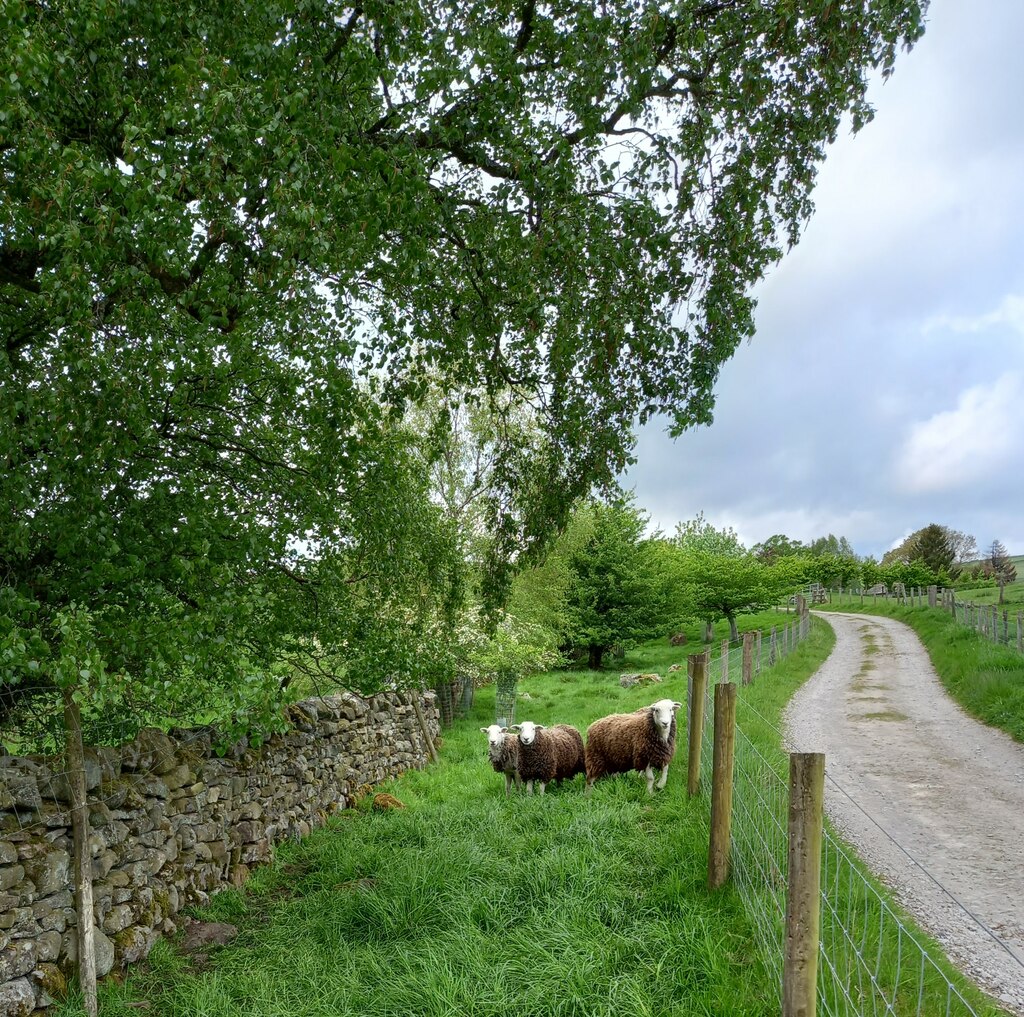
Her devotion was to the Herdwick sheep — the ancient breed native to the Lakeland fells, whose flocks carry an inherited knowledge of their specific ground, passed from ewe to lamb across generations. Lose the flock, lose the memory of the land itself. Potter understood this before most people had words for it, and was eventually elected the first female president of the Herdwick Sheepbreeders Association.
She was also quietly, systematically saving land. When the Monk Coniston Estate — 3,738 acres containing what is now the most visited landscape in the Lake District — came under threat, she bought the whole estate herself for £15,000. She sold 2,600 acres back to the National Trust at cost, managed the entire estate for six years while they raised the funds, and gifted the remaining portion anonymously — including Holme Ground, the land that had once belonged to her great-grandfather.
Meanwhile she was restoring neglected farms closer to home. Troutbeck Park — a vast but disease-ridden hill farm — she brought back to agricultural health with characteristic stubbornness.
All of it funded by Peter Rabbit.
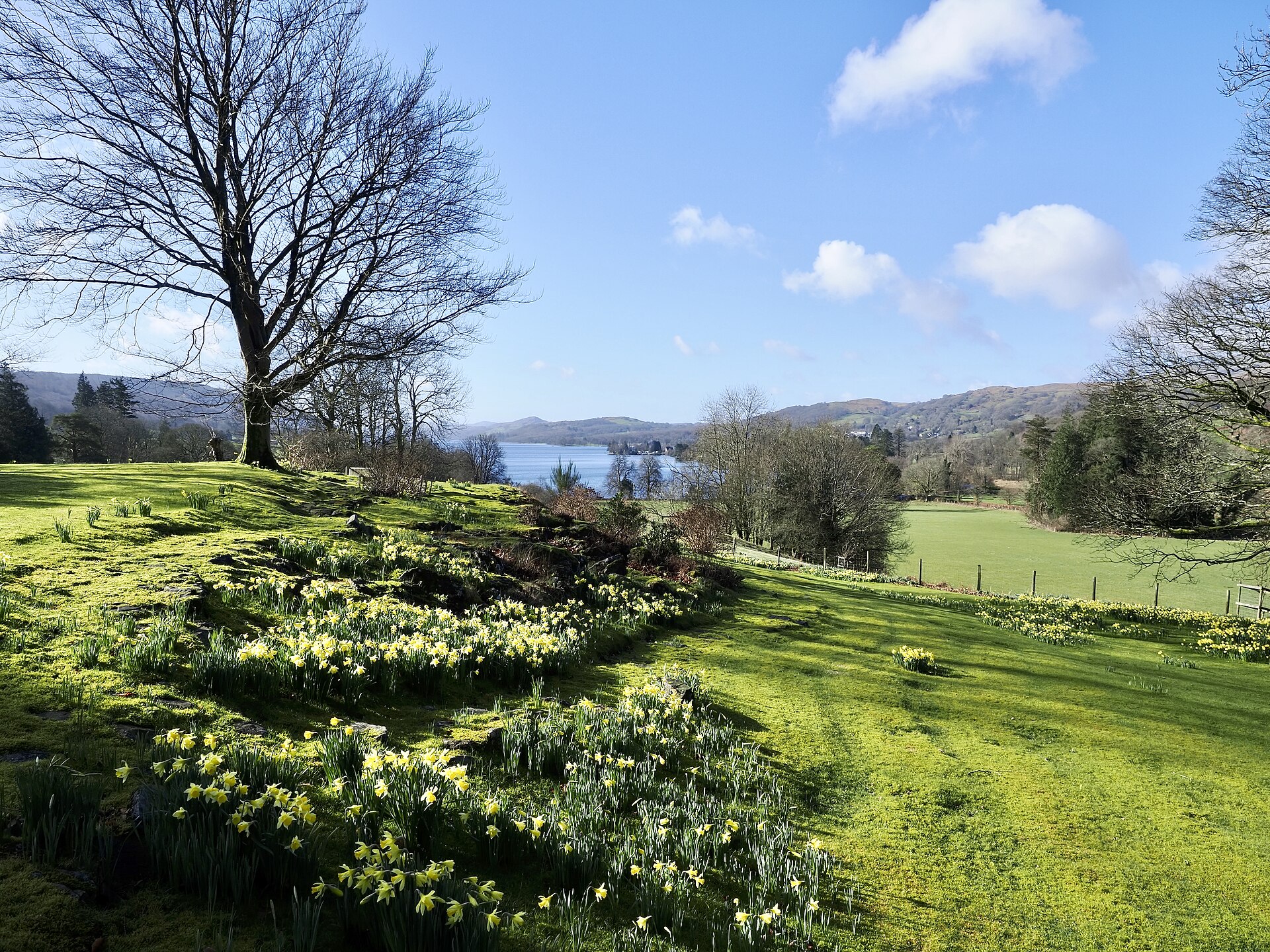
When she died in 1943 she left 4,000 acres and fifteen working farms to the National Trust, with one condition: keep the farms working, keep the Herdwicks on their ground.
The landscape millions walk through today exists because she decided, very quietly, to save it.
This sanctuary is here to celebrate that entire journey. We invite you to slow down and see the world through her eyes: precious, beautiful, and worth saving.
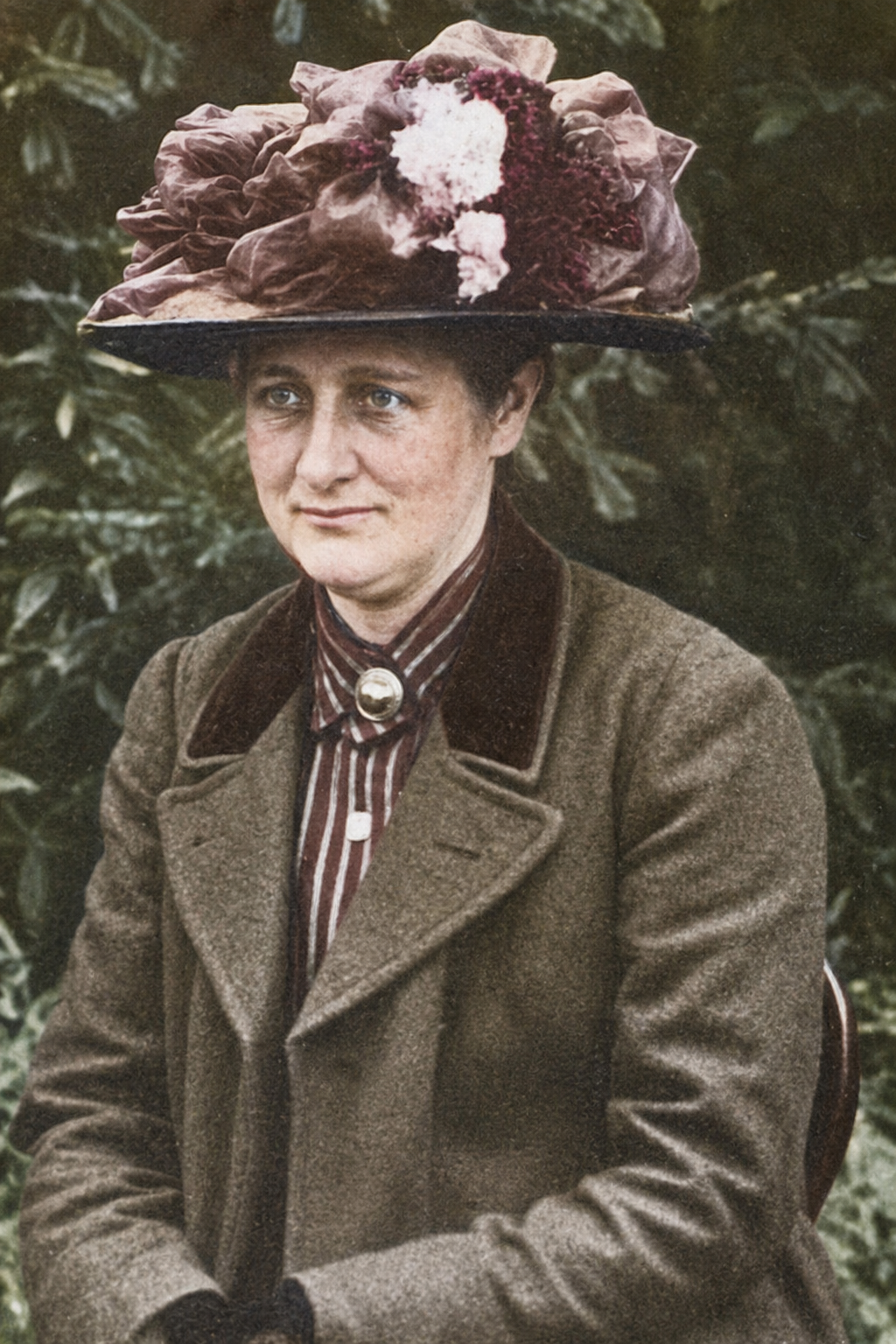
Wedding Day, October 1913
The day she married William Heelis and moved to the Lake District for good
